

Contemporary Arts & Creative Hubs
Kaohsiung - The city of Art
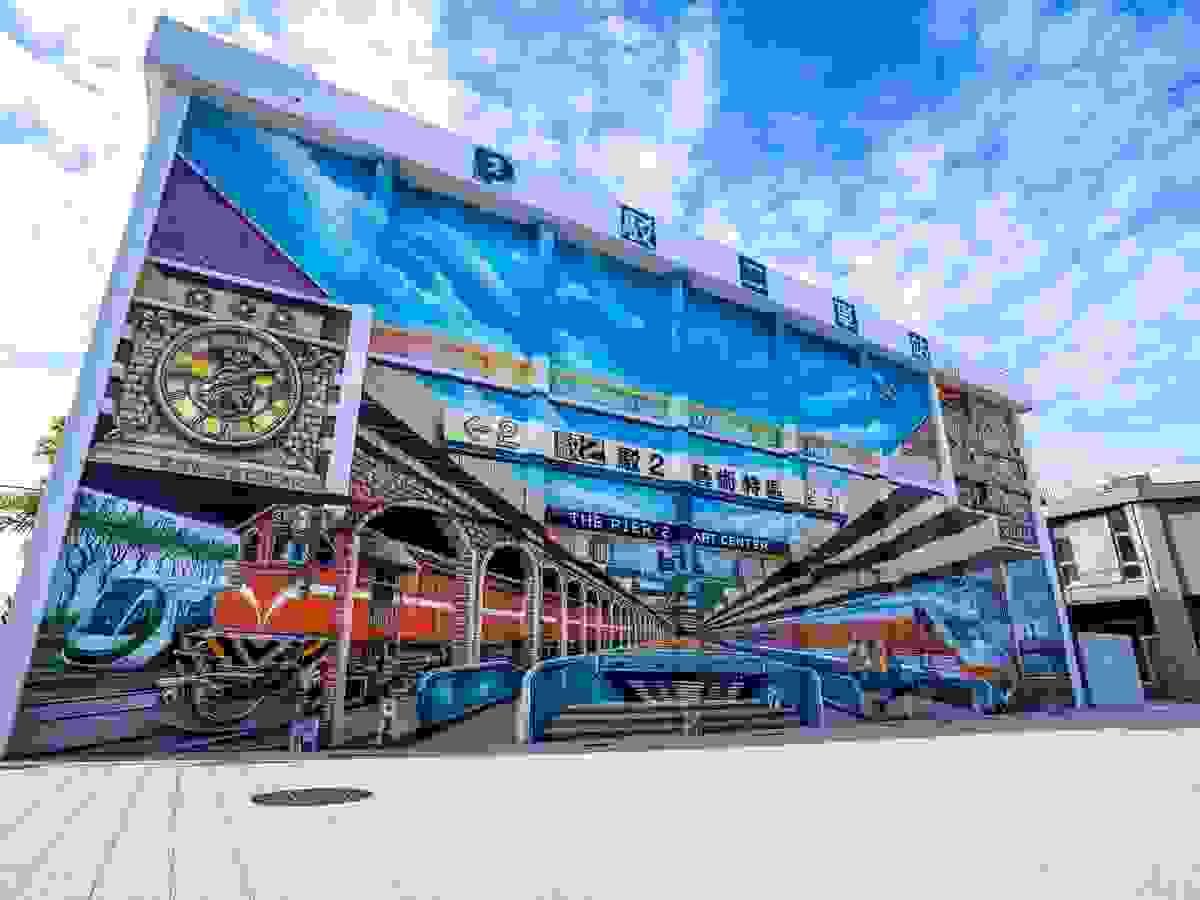
The Pier-2 Art Center
The Pier-2 Art Center special zone, located portside immediately northwest of the KMC, is the hub of the city's growing cultural-creative boom and one of its most popular attractions. The first of three renovated warehouse clusters was completed in the 2000s. The long-abandoned structures formerly held valuables like fish meal and granulated sugar. Today, they serve as cultural-creative incubator stages, venues for domestic and international exhibitions and festivals, live indoor and outdoor musical, theatrical, and busker performances, and large-scale outdoor installation artworks and graffiti-style/3D murals, many of which are wonderfully quirky and whimsical and were created by artists-in-residence.
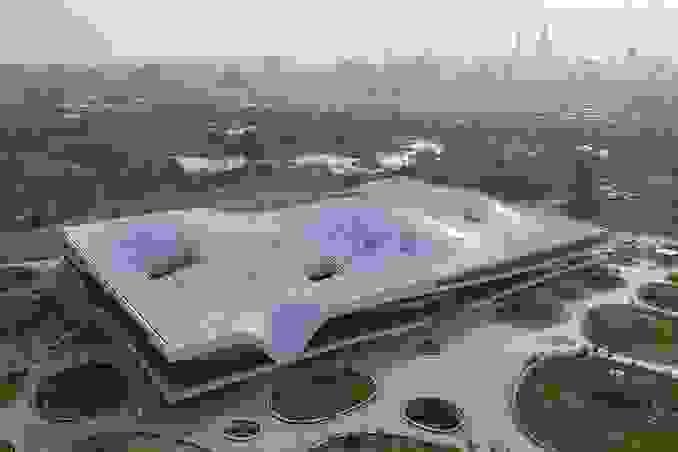
National Kaohsiung Center for the Arts (Weiwuying)
The National Kaohsiung Center for the Arts (Weiwuying) has become a destination not only for its almost indescribable futuristic exterior, but also for the artistry displayed within its Opera House, Concert Hall, Playhouse, and Recital Hall, as well as the fancifully designed amphitheater for outdoor performances, which is ensconced in a purpose-built depression in the sloping roof. The center boasts numerous accolades, including being the world's largest performance arts venue under one roof and home to Asia's largest pipe organ.
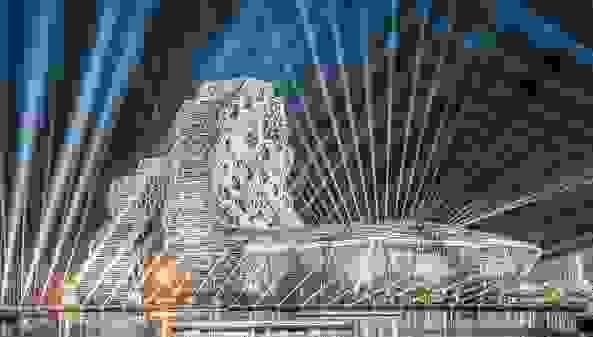
Kaohsiung Music Center
The Kaohsiung Music Center (KMC), which opened in 2021, is a magnificent structure located on the north side of the Love River mouth. It acts as a landmark for pop-music performances in southern Taiwan, fostering domestic pop talent and facilitating networking within the pan-Asian industry. The center's dynamic design has been merged with the surrounding port beauty, and different free outdoor events are staged to make it a popular tourist destination.
Historic & Indigenous Heritage
Kaohsiung - The city with rich culture
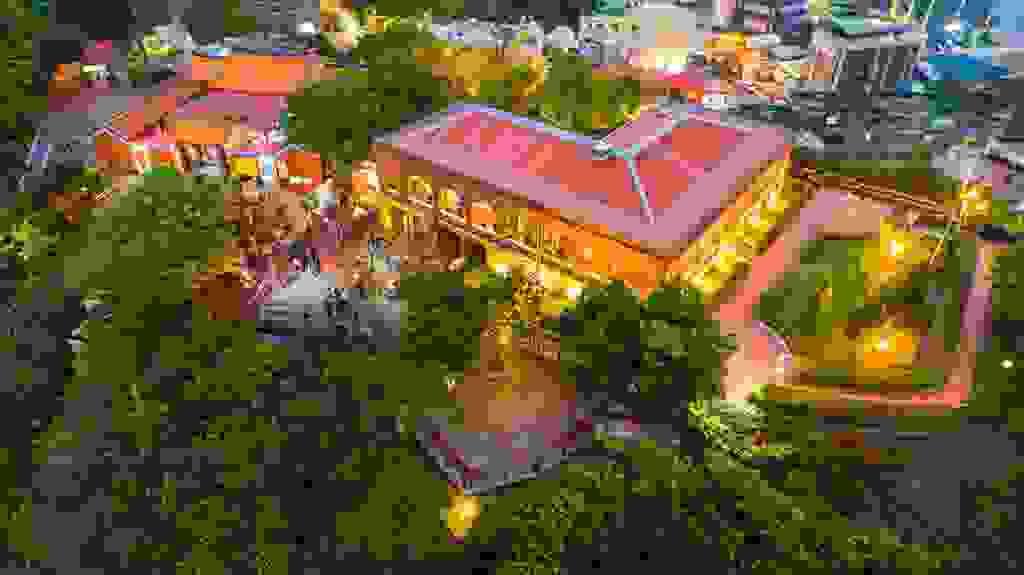
The Former British Consulate at Takow
Established during the Qing dynasty in the 19th century, the site played an important role in foreign trade and diplomacy following the opening of Taiwanese treaty ports. The current consular residence building was completed in 1879 and overlooks Sizihwan Bay and the entrance to Kaohsiung Harbor
The site is designated as a national historic monument by the Ministry of Culture and is now a popular cultural and tourist attraction. It now functions as a museum and cultural venue, featuring exhibits on Taiwan’s treaty port era and the development of Kaohsiung
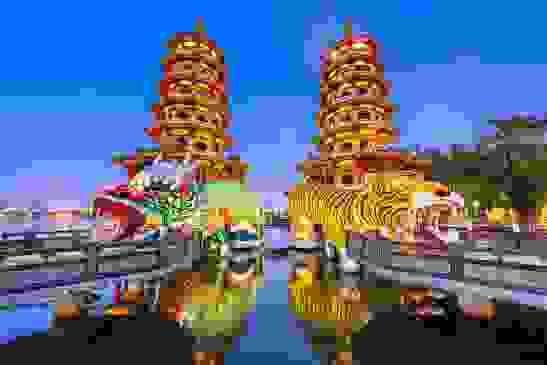
Lotus Pond (Lianchihtan)
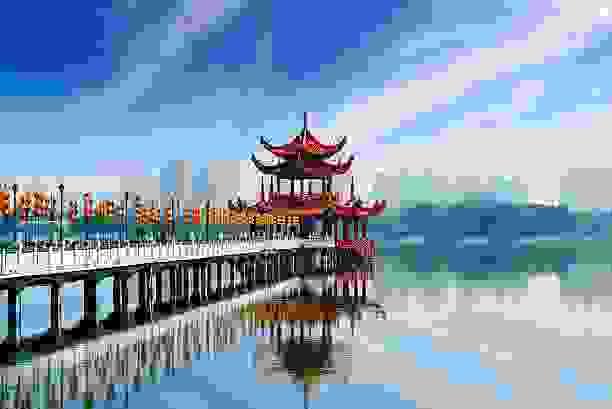
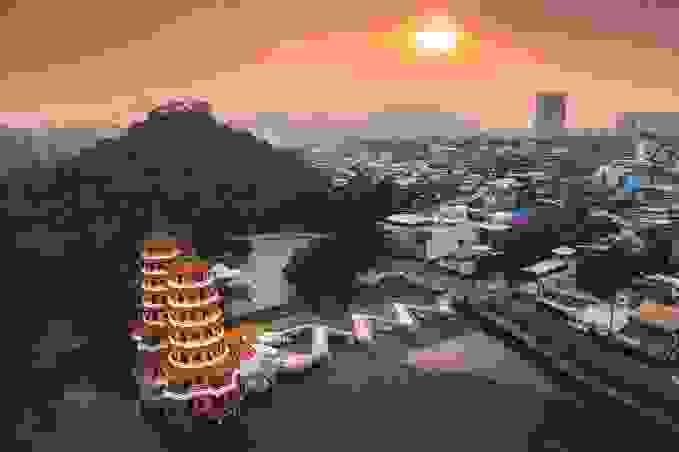
Known for its rich collection of temples, including the famous Dragon and Tiger Pagodas. This area is home to a number of strange looking pagodas and temples. It is also home to Ciji Temple, the largest Confucius temple in Taiwan. This beautiful dragon can be found directly across the street from the temple. Enter the dragon’s mouth and exit the tiger’s mouth for good fortune in your life.
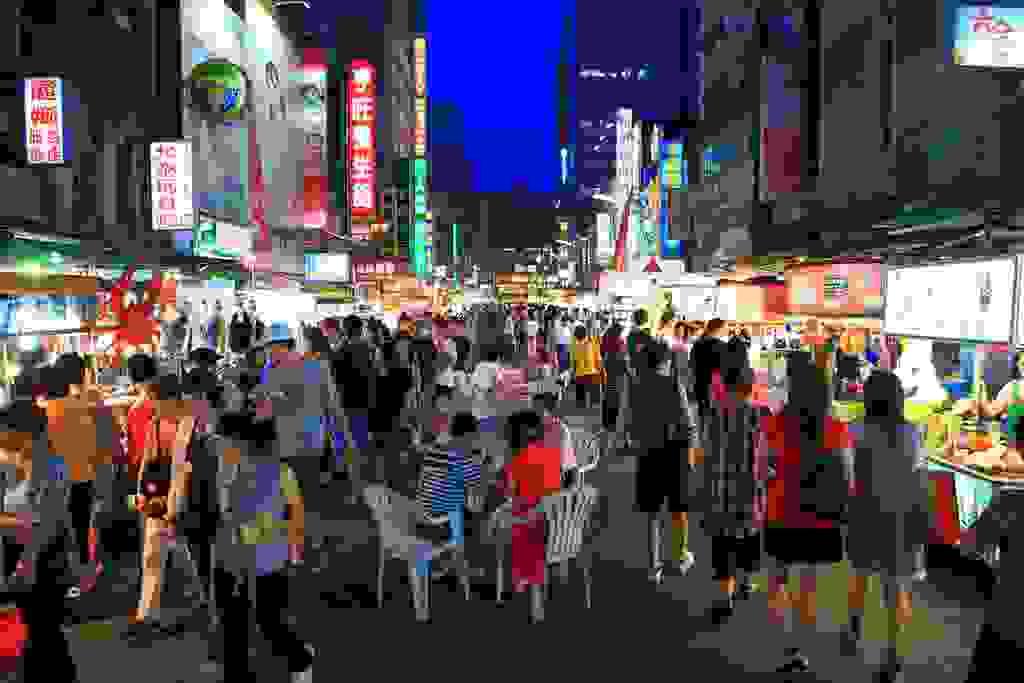
Liuhe Night Market (六合夜市)
The Liuhe Night Market is a tourist night market in Sinsing District, Kaohsiung. It is one of the most popular markets in Taiwan where seafood, handicrafts, clothing, knives, cameras and fresh foods are sold.
Other features
Language
The official language is Mandarin Chinese, but in southern Taiwan, Taiwanese and Hakka are spoken, as are various aboriginal languages. Even though English is considered the second official language, less than 20% of the Kaohsiung population is able to communicate in English.
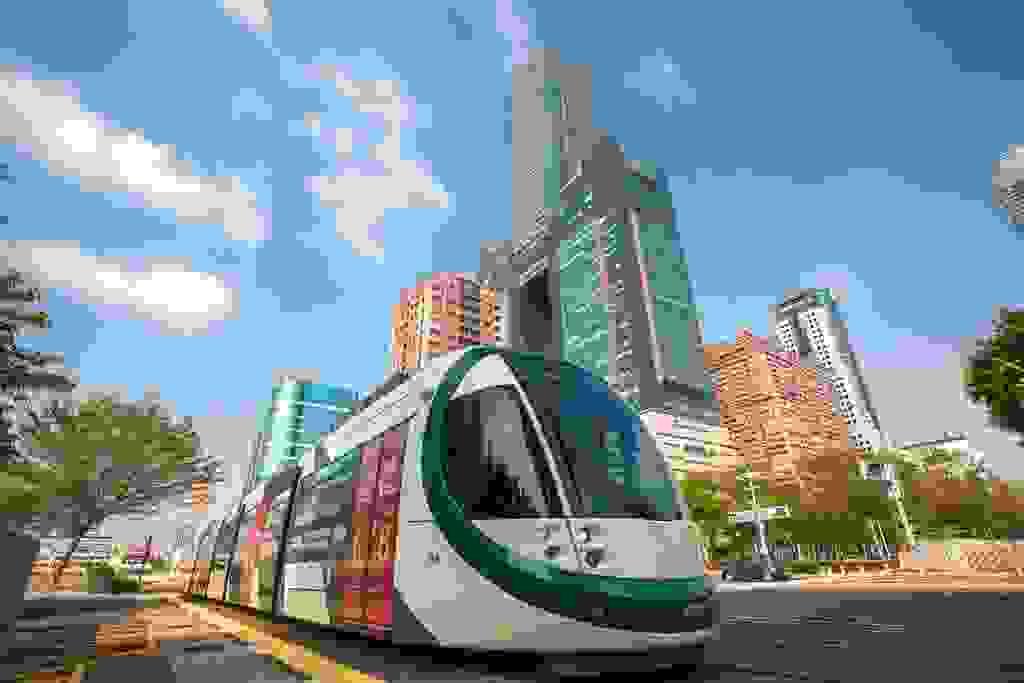
Transportation
Taiwan’s public transportation is among the best in Asia. Usually, trains, bikes and buses are typically used for traveling within the city of Kaohsiung. Each ride costs approximately NT$10 for bicycles, NT$15 for buses, and an average of NT$50 for MRT.
*Cost saving tip: You can purchase a monthly pass for NT$399, which allows unlimited use of public transport within Kaohsiung city, including ferries, buses, bicycles, MRT, LRT, and local trains.
Safety
Kaohsiung, and Taiwan in general, are extremely safe! There are almost no "bad areas" in town, and violent crime is practically non-existent. However, with a population of over two million, it is necessary to proceed with caution as you would in any other large city.
Climate/Weather
The city, which lies almost entirely south of the Tropic of Cancer, has a tropical monsoon climate, dry in the winter, hot and wet in the summer and autumn. Temperatures are generally lowest in January and February, with averages ranging from 19.9 to 21.5°C, and hottest from June to August, with averages of 28.3 to 29.5°C.
Kaohsiung City gets more sunshine than any other place in Taiwan, with an annual average of nearly 200 hours per month. Due to the effects of the southwest monsoon, the rainy season is concentrated in the period from May to September. From October through March, because the northeast monsoon is blocked by mountains, there is a dry season that lasts six months. An average of three to four typhoons hit Taiwan annually, mainly in the period from July to September. These have always brought heavy rains


